Author: Chuck

  • Certified Pre-Owned vs. Regular Used Cars: Is the Extra Cost Worth It?

    Certified Pre-Owned vs. Regular Used Cars: Is the Extra Cost Worth It?

    What Certified Pre-Owned Actually Means

    A certified pre-owned, or CPO, vehicle has passed a manufacturer-backed inspection process and comes with additional protections beyond a standard used car sale. The certification is issued by the automaker or a franchised dealer, not just any independent used car lot, so the standards can vary by brand.

    The Extended Warranty Coverage

    Most CPO programs include an extended manufacturer warranty beyond the original coverage, sometimes adding a year or more of bumper-to-bumper or powertrain protection. This is one of the biggest advantages of going certified, since major repair costs are far less likely to fall on you. For a comprehensive guide to comparing options and understanding what to look for, check out our Extended Warranty Guide.

    The Multi-Point Inspection Standard

    CPO vehicles typically go through a detailed inspection checklist, often 100 points or more, covering everything from brakes and tires to electronics and fluid leaks. A regular used car may or may not have been inspected this thoroughly before being listed for sale.

    How Much More You’ll Pay for CPO

    Expect to pay anywhere from a few hundred to a couple thousand dollars more for a certified vehicle compared to a similar non-certified used model. The exact premium depends on the brand, the car’s age, and how comprehensive that manufacturer’s certification program is.

    When CPO Makes Sense

    Certification tends to make the most sense for newer used vehicles, expensive luxury or performance cars where repairs are costly, and for buyers who value predictability and lower risk over squeezing out the lowest possible purchase price.

    When You’re Better Off Skipping It

    If you already plan to have an independent mechanic inspect any used car before buying, and you are comfortable handling repairs out of pocket, you can often save money by buying a well-maintained non-certified car and putting the savings toward your own extended warranty or repair fund.

    Always Verify the Certification Yourself

    Do not just take the sales sticker’s word for it. Ask to see the actual inspection checklist and warranty documentation, and confirm the certification is backed by the manufacturer rather than a third-party or dealer-only program with weaker coverage.

  • Used Car Financing 101: How to Get the Best Loan and Avoid Common Traps

    Used Car Financing 101: How to Get the Best Loan and Avoid Common Traps

    Contact your bank or credit union and get pre-approved for an auto loan before you ever set foot on a lot. A pre-approval gives you a real interest rate to compare against, and it means you are shopping as a cash buyer instead of negotiating a loan and a car price at the same time.

    Know Your Credit Score Beforehand

    Check your credit score before you start shopping so you know roughly what rates you should qualify for. Walking in blind makes it easy for a finance manager to quote you a rate that is higher than what your credit actually supports.

    Compare APRs From Multiple Lenders

    Get quotes from at least two or three lenders, including your own bank, a credit union, and an online lender. Dealership financing can sometimes beat these offers, but only if you have outside quotes to compare it against and negotiate with.

    Watch Out for Yo-Yo Financing

    Never drive off the lot on a “spot delivery” before financing is fully finalized. Some dealers let you take the car home, then call days later saying the loan fell through and you need to sign a new contract at a worse rate. Insist that financing is complete before you leave.

    Don’t Extend the Loan Term Just to Lower Payments

    A 72 or 84 month loan can make the monthly payment look small, but you will pay significantly more in interest over time and risk being upside down on the loan for years. Choose the shortest term you can comfortably afford instead of the longest one offered.

    Understand Add-Ons Rolled Into the Loan

    Extended warranties, gap insurance, and paint protection are often bundled into the loan amount, quietly increasing your monthly payment and total interest paid. Review each add-on separately and decide if you actually want it, rather than accepting the full package by default.

    Read the Full Contract Before Signing

    Slow down at the finance desk and read every line of the contract, including the interest rate, term length, and any add-ons listed. If numbers on the paperwork do not match what you agreed to verbally, stop and ask for a correction before you sign anything. After securing financing and closing the deal, safeguard your purchase with our Extended Warranty Guide.

  • How to Read a Vehicle History Report Before Buying a Used Car

    How to Read a Vehicle History Report Before Buying a Used Car

    Check the Title Status First

    Look at the title status before anything else on the report. A clean title is the baseline you want to see. Watch for words like salvage, rebuilt, flood, or lemon law buyback, since these labels can cut resale value dramatically and often point to deeper problems under the surface.

    Review the Ownership History

    Count how many owners the vehicle has had. A car with one or two long-term owners is often better cared for than one that has changed hands five times in just a few years. Frequent, short ownership stretches can be a red flag for hidden issues the seller wants to move on from.

    Look for Accident and Damage Records

    Scan the report for accident entries, even minor ones. Pay attention to the severity noted, whether it says minor, moderate, or severe, and whether airbags deployed. A single reported fender bender is not a dealbreaker, but multiple accidents or a severe entry should prompt a deeper inspection before you commit.

    Confirm the Odometer Readings Make Sense

    Check that the mileage recorded at each service or ownership change increases steadily over time. Big jumps, unusual gaps, or a flagged mileage rollback are serious warning signs of odometer fraud, and should be treated as a reason to walk away or investigate further.

    Verify Service and Maintenance Records

    Look for consistent maintenance entries like oil changes, tire rotations, and major services. Regular upkeep suggests the previous owner took care of the car. Missing records for years at a time can mean deferred maintenance that you will end up inheriting after the sale.

    Check for Open Recalls

    Search the VIN on the manufacturer’s website or NHTSA.gov for open recalls. Some sellers do not mention unresolved recalls, and getting them fixed is usually free once you own the car, but you need to know about them before you buy, not after.

    Don’t Rely on Just One Report

    No single report captures every incident, since reporting depends on data submitted by repair shops, insurers, and state DMVs. When possible, cross-reference more than one report and always pair it with your own independent inspection before making a final decision.

  • Common Car Negotiation Mistakes to Avoid When Buying Used

    Common Car Negotiation Mistakes to Avoid When Buying Used

    Car dealers negotiate for a living — you probably don’t, and that puts you at a disadvantage before you even walk into the showroom. This guide covers the most common car negotiation mistakes buyers make, so you can walk away with a fair price instead of overpaying for your next used car.

    Mistake #1: Negotiating Before a Pre-Purchase Inspection

    Many buyers negotiate price before having the car inspected by a mechanic. This is backward. Get the inspection first so you know what repairs may be needed. Use those findings to negotiate.

    Mistake #2: Sharing Your Budget or How Much You Can Spend

    Never tell a salesperson how much you have to spend or what monthly payment you want. This information gives them leverage to push you toward their advantage. Keep your budget private.

    Mistake #3: Getting Emotionally Attached to a Car

    Don’t fall in love with a specific car. There are always other cars available. When you’re emotionally attached, you lose negotiating power and often pay more than you should.

    Mistake #4: Negotiating Based on Asking Price

    The asking price is just a starting point. Always research the car’s fair market value using resources like Kelley Blue Book or NADA Guides. Negotiate based on what the car is actually worth, not what the dealer wants.

    Mistake #5: Ignoring the Trade-In Offer

    Don’t ignore the trade-in value of your current vehicle. Get it appraised separately and negotiate that portion independently. Sometimes dealers use inflated trade-in values to hide a high selling price.

    Mistake #6: Negotiating Only the Price

    Remember that other factors affect the total deal: trade-in value, extended warranty, gap insurance, and add-ons. Negotiate the entire package, not just the price.

    Mistake #7: Showing Up Without a Pre-Approved Loan

    Dealers use financing as a profit center. Get pre-approved for a loan from your bank or credit union before shopping. This gives you negotiating power and saves you money on interest.

    Timing matters too, so check out our guide on the best time to buy a used car, and if you’re buying from an individual rather than a dealer, read our tips for buying from a private seller before you meet up. Finally, don’t forget to thoroughly review your warranty coverage options with our Extended Warranty Guide to ensure you’re making the best protection decision for your purchase.

    Frequently Asked Questions

    What is the biggest mistake people make when negotiating a car price?
    The most common mistake is negotiating based on monthly payment instead of the total price of the vehicle. Dealers can stretch loan terms to hit a monthly number you want while you pay significantly more in total interest. Always negotiate the out-the-door price first, then discuss financing separately.

    Should I tell the dealer my budget or monthly payment goal?
    No. Sharing your budget or desired monthly payment gives the salesperson leverage to structure a deal that hits your number while maximizing their profit through longer loan terms, higher interest rates, or a higher vehicle price. Keep this information to yourself until the out-the-door price is finalized.

    Is it better to get pre-approved for a loan before negotiating?
    Yes. Getting pre-approved for a loan from your bank or credit union before visiting a dealership gives you real negotiating leverage and a clear benchmark interest rate to compare against dealer financing offers. It also prevents dealers from using financing as a profit center disguised as a favor.

  • 5 Red Flags When Buying a Used Car: Warning Signs to Walk Away

    5 Red Flags When Buying a Used Car: Warning Signs to Walk Away

    Flag #1: Mismatched Paint

    Different paint colors on different body panels indicate the car has been in an accident and repaired. Have the car inspected under bright lighting or use a paint depth gauge. Original factory paint should be consistent across the entire vehicle.

    Flag #2: Rust or Corrosion

    Surface rust is one thing, but structural rust is serious and expensive to repair. Check underneath the car, around the wheel wells, and along the bottom of doors. Rust in critical areas means the car’s structural integrity is compromised.

    Flag #3: Engine Knocking or Grinding Sounds

    If the engine makes knocking sounds on startup or during acceleration, it could indicate serious internal damage. Grinding sounds suggest issues with transmission or belts. These repairs can cost thousands of dollars.

    Flag #4: Transmission Slipping

    During your test drive, the transmission should shift smoothly. If you feel hesitation, slipping between gears, or grinding sounds, the transmission may need repair or replacement. This is one of the most expensive car repairs.

    Flag #5: No Service Records

    If the seller can’t provide documentation of regular maintenance, walk away. Poor maintenance history suggests the car wasn’t cared for properly and could have hidden problems waiting to surface after your purchase.

    Once you’ve spotted the warning signs, run through our complete used car inspection checklist before making an offer, so you know exactly what to look for. And once you’ve identified a vehicle that passes inspection, protect your investment by reviewing our Extended Warranty Guide.

  • Best Time to Buy a Used Car: Season, Month, and Day Guide

    Best Time to Buy a Used Car: Season, Month, and Day Guide

    Best Season to Buy

    Fall and Winter are traditionally the best seasons to buy used cars. Fewer buyers are shopping during these months, giving you more negotiating power. Summer months see increased competition among buyers, which drives prices up.

    Best Month to Buy

    December is the best month to buy a used car. End-of-year sales quotas and year-end clearance deals mean dealers are eager to move inventory. November and January are also excellent months. Avoid May through August when demand peaks.

    Best Day of the Week

    Weekdays, especially towards the end of the month, offer the best deals. Salespeople have monthly quotas to meet and are more willing to negotiate. Mid-week (Tuesday-Thursday) is ideal as showroom traffic is lighter.

    End of Month Advantage

    The last 10 days of any month is prime buying time. Sales teams are pushing to meet monthly targets, and you have maximum leverage. This is when you’ll find the best discounted prices.

    End of Fiscal Year

    Many dealers operate on fiscal years. At year-end, they need to clear inventory for financial reporting. This creates significant buying opportunities and deeper discounts.

    After a Price Drop

    Watch for vehicles that have been on the lot for 60+ days or recently had price reductions. These are priority sales targets and dealers want them gone urgently.

    Economic Downturns

    During economic slowdowns when sales are slower, dealerships need cash flow more than ever. This is when you can negotiate the hardest.

    Once you’ve picked the right time to buy, make sure you avoid these common car negotiation mistakes so you actually get the deal you deserve.

  • The Complete Used Car Inspection Checklist: What to Look For

    The Complete Used Car Inspection Checklist: What to Look For

    Buying a used car without a thorough inspection is one of the riskiest financial decisions you can make. This complete used car inspection checklist walks you through exactly what to check — from the engine and transmission to hidden signs of accident damage — so you can spot problems before you sign anything and negotiate with confidence.

    Key Areas to Inspect

    The Engine

    Start by opening the hood and examining the engine. Look for signs of oil leaks around the valve covers, oil pan, and timing cover. The engine should be clean – excessive grime or oil buildup could indicate poor maintenance. Check the condition of hoses and belts for cracks or damage.

    Transmission

    The transmission is one of the most expensive components to repair. Take the vehicle for a test drive and note any hesitation, slipping, or grinding sounds when shifting. If the vehicle has been properly maintained, the transmission fluid should be red or pink – dark brown or burnt smelling fluid is a red flag.

    Suspension and Steering

    Listen for clunking or squeaking sounds when driving over bumps. Excessive movement in the steering wheel before the wheels respond (high steering wheel free play) indicates worn components. Uneven tire wear is another sign of suspension problems.

    Brakes

    Press the brake pedal firmly – it should feel solid and not sink to the floor. Listen for grinding sounds which indicate worn brake pads. A low or spongy brake pedal may indicate air in the brake lines or a leak.

    Bodywork and Paint

    Check for rust, dents, and misaligned panels. Open and close all doors, windows, and the trunk to ensure they operate smoothly. Mismatched paint can indicate previous accident repairs, so inspect the entire vehicle under good lighting.

    Tires and Wheels

    Uneven tire wear patterns can indicate alignment problems or suspension issues. Check the tread depth – tires should have at least 2/32 of an inch of tread. Look for cracks, bulges, or other signs of damage.

    Interior Condition

    Examine the seats for tears or stains. Test all electrical systems including windows, locks, lights, and climate control. Check the dashboard for warning lights by starting the engine. A strong odor (especially of cigarette smoke) may be hard to remove.

    Documentation Check

    Always ask for service records. Regular maintenance records are a good sign that the car has been well cared for. Get the vehicle identification number (VIN) and run a history report through services like Carfax or AutoCheck to check for accidents, title issues, and service history.

    Professional Inspection

    Consider paying for a pre-purchase inspection by a trusted mechanic. For $100-150, a professional inspection can save you thousands by catching hidden problems you might miss.

    Final Thoughts

    Taking time to thoroughly inspect a used car before purchase is one of the best investments you can make. Don’t rush the process, and if something doesn’t feel right, trust your instincts. There are plenty of cars on the market, and you’re better off passing on one that raises concerns than buying a problematic vehicle.

    Once you’ve inspected the car, watch out for these 5 red flags when buying a used car before you sign anything, and if you’re buying from a private seller, check out our complete guide to buying from a private seller.

    Not sure what to make of something you found under the hood? You can chat with a certified mechanic online in minutes to get a second opinion before you commit to buying.

    Frequently Asked Questions

    How much does a used car inspection cost?
    A professional pre-purchase inspection typically costs between $100 and $150. This is a small price to pay compared to the potential cost of unexpected repairs, and it can also give you leverage to negotiate a lower price if issues are found.

    What are the most common signs a used car has hidden problems?
    Common signs include mismatched paint (indicating body repair), uneven panel gaps, a musty odor from water damage, warning lights on the dashboard, and unusual noises during a test drive. Always run a vehicle history report and get a professional inspection to catch issues that aren’t visible during a casual walkaround.

    Can I inspect a used car myself, or do I need a mechanic?
    You can absolutely do a basic inspection yourself using this checklist to check the engine, tires, interior, and take it for a test drive. However, for a more thorough assessment, especially of internal engine and transmission health, it’s worth paying a certified mechanic for a pre-purchase inspection before finalizing the purchase.
  • How to Buy a Car from a Small Mom and Pop Car Lot Without Getting Burned

    How to Buy a Car from a Small Mom and Pop Car Lot Without Getting Burned

    How to Buy a Car from a Small Mom and Pop Car Lot Without Getting Burned

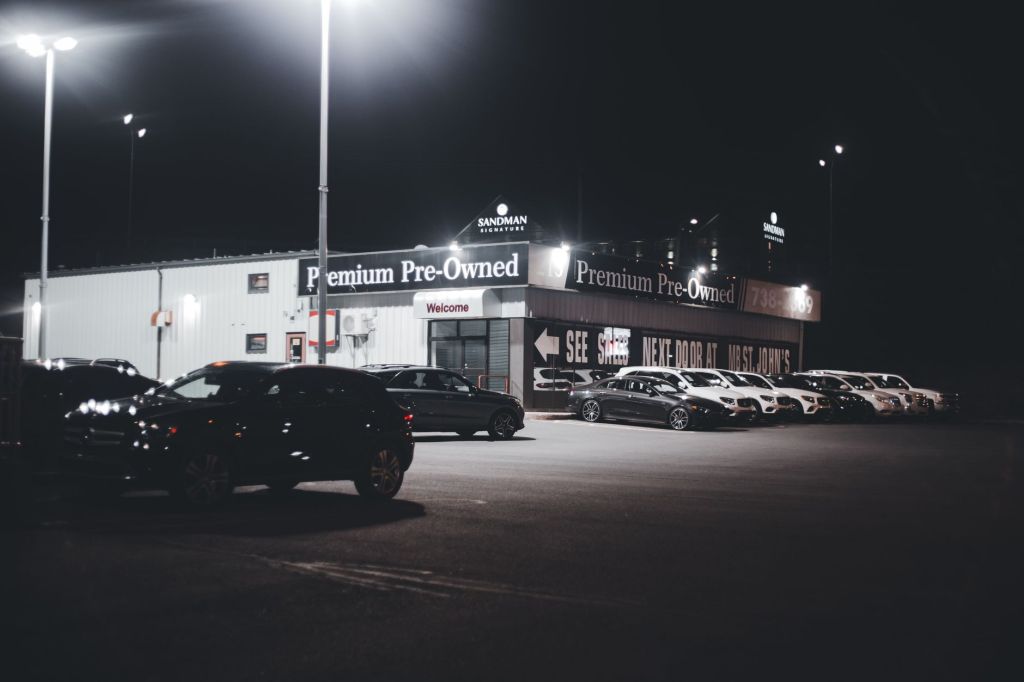
    Small independent car lots can be a hidden gem or a real headache depending on how prepared you are. Unlike big dealerships, these small operations often have lower overhead, which means better prices. But they also have fewer consumer protections, less paperwork oversight, and sometimes cars with unknown histories. This guide walks you through exactly how to shop smart at a mom and pop car lot so you leave with a great deal, not a regret.

    Photo by Wolf Art on Pexels.com

    Step 1: Know What You Are Walking Into Before You Go

    Small lots operate very differently from big dealerships. They usually buy cars at auction, private sales, or dealer trade-ins and then mark them up for resale. Many of these cars have been through multiple owners and may not have a full service history. Some small lot owners are honest people running a family business. Others are looking to flip cars fast without telling you everything. Your job is to find out which type you are dealing with before you hand over any money.

    • Search the lot name on Google and look for reviews and complaints
    • Check if the lot is licensed with your state’s dealer board
    • Look up the business on the Better Business Bureau website
    • Ask how long they have been in business and where they source their inventory

    Step 2: Research the Car Before You See It in Person

    Most small lots post their inventory online or on sites like AutoTrader, Facebook Marketplace, and CarGurus. Before you drive out there, do your homework. Look up the car’s fair market value using Kelley Blue Book and check similar listings in your area. This tells you whether the lot is pricing the car reasonably or trying to take advantage of buyers who do not know better.

    • Check KBB.com or Edmunds for the fair market value of the specific make, model, year, and mileage
    • Run a Carfax or AutoCheck report using the VIN before you even visit
    • Check if there are any active recalls on the vehicle at NHTSA.gov
    • Look for the same vehicle on other platforms to compare asking prices in your area

    Step 3: Inspect the Car Like a Pro When You Arrive

    Small lots do not always have certified pre-owned programs or detailed inspection reports. That means you have to be your own inspector. Take your time and do not let anyone rush you. Walk around the car slowly, look underneath it, check every panel for rust or accident damage, and test every button and feature inside.

    • Check all four tires for tread depth and uneven wear, which can signal alignment problems
    • Look under the hood for leaking fluids, cracked hoses, or signs of recent repairs
    • Check every door, window, mirror, and light to make sure they all work
    • Look for mismatched paint panels or gaps between body panels that suggest past accident repairs
    • Check the trunk floor and spare tire area for signs of water damage or hidden rust
    • Start the car cold and listen for knocking, rough idling, or warning lights on the dashboard

    Step 4: Always Get a Pre-Purchase Inspection from Your Own Mechanic

    This step is non-negotiable when buying from a small lot. A pre-purchase inspection from a trusted mechanic costs $100 to $150 and can save you thousands. Take the car to your mechanic, not one the lot recommends. If the seller will not allow you to take the car for an inspection, walk away immediately. That is a major warning sign. Any honest seller will welcome the inspection because they know their car is solid.

    Step 5: Understand the Paperwork and What You Are Signing

    Small lots may have simpler paperwork than big dealerships, but that does not mean there are fewer risks. In fact, some small lot sellers get creative with contracts to hide fees or avoid disclosures. Always read every line before you sign. Never let anyone tell you that a particular section does not matter or that it is just standard language.

    • Make sure the title is clean, with no liens or outstanding loans attached to the vehicle
    • Confirm the purchase price, any fees, and the total out-the-door cost in writing
    • Check whether the sale is as-is, meaning no warranty, and understand what that means for you
    • Ask if the lot offers any type of warranty or return period, even a brief one
    • Request copies of all documents for your records before you drive away

    Step 6: Negotiate the Price Without Fear

    Small lot owners have more flexibility than big dealerships. They do not have corporate price floors or manager approval requirements. That means you have real room to negotiate. Start by offering 10 to 15 percent below the asking price, and be prepared to show your research. If they know you have done your homework, they are more likely to take you seriously and work with you on the price.

    • Show your KBB or Edmunds printout to back up your offer with real data
    • Point to any needed repairs found in the inspection as reasons to reduce the price
    • Ask for the out-the-door total, including all fees, taxes, and registration
    • Be willing to walk away, this is your most powerful tool in any negotiation
    • Consider paying cash if you can, small lot owners love cash deals and may reduce the price for it

    Potential Landmines to Watch Out For at a Small Lot

    Small lots can be great, but they are not without risks. Here are the biggest landmines people step on when buying from an independent dealer.

    • Buying as-is with no warranty and discovering major problems within the first week of ownership
    • Paying a title fee, admin fee, or processing fee that was never disclosed until the paperwork
    • Accepting dealer-arranged financing without shopping your own rate at a credit union first
    • Skipping the mechanic inspection because the seller told you the car was just serviced
    • Signing a contract with hidden clauses about no refunds, no exchanges, and no liability on the seller

    Mom and Pop Lot Quick Reference

    What to Watch For

    Why a Credit Union Should Be Your First Call Before You Buy

    No matter where you buy your car, one of the smartest things you can do is get pre-approved for financing through a credit union before you ever step on a lot. Credit unions are not-for-profit organizations that serve their members, which means they have no incentive to mark up your interest rate the way a dealership’s finance department does. They simply offer you a fair rate based on your credit history, and that rate is often significantly lower than what you would get through dealer financing.

    Here is what makes credit unions and transparent banks worth your attention:

    • Credit unions offer some of the lowest auto loan interest rates available, often 2 to 4 percentage points lower than dealership financing
    • Gap insurance through a credit union typically costs a fraction of what dealerships charge for the same coverage
    • Credit unions have flexible terms and most allow early payoff without penalty
    • Banks can also be a great option if they are completely transparent about rates, fees, and repayment terms from the start
    • Having a pre-approval letter gives you real leverage when negotiating the price of any vehicle

    Still Have Questions? Chuck Can Help.

    Do not walk into any car purchase unprepared. Book your free 30 minute consultation with Chuck The Cool Car Guy and get honest, personalized advice before you make one of the biggest purchases of your life.

    Want to compare your options before you buy? Check out Chuck’s tips for buying new and the Free Advice for Used Car Buyers page. You can also learn more about Chuck and why he started this free resource to help everyday people.

    For background on how independent used car dealers operate, take a look at the Used Car Dealer Wikipedia page for general reference information.

  • How to Buy a Car at a Major Dealership Without Getting Taken Advantage Of

    How to Buy a Car at a Major Dealership Without Getting Taken Advantage Of

    How to Buy a Car at a Major Dealership Without Getting Taken Advantage Of

    Walking into a big car dealership can feel overwhelming. The showroom is shiny, the salespeople are friendly, and everything is designed to get you to spend more money. That does not mean you cannot win. It just means you need to come prepared. This guide walks you through every step you need to know to buy a car at a major dealership and drive away knowing you got a fair deal.

    Step 1: Do All Your Research Before You Set Foot on the Lot

    The dealership game starts before you walk through the door. When you arrive without doing research, you are at a huge disadvantage because the salesperson knows much more about the car and its value than you do. Spending a couple of hours at home first gives you the knowledge you need to stay in control.

    • Look up the invoice price on the car you want at Edmunds.com or TrueCar.com. This is what the dealer actually paid for it. That is your negotiating starting point.
    • Get pre-approved for a car loan at your bank or credit union BEFORE going to the dealership. This gives you a baseline interest rate to compare against.
    • Research the fair market value and any known reliability issues with the specific model you want.
    • Find out what your trade-in is worth before the dealer tells you. Use KBB, Carvana, or CarMax for instant trade-in offers to compare.

    Step 2: Control the Conversation from the Start

    When a salesperson greets you, the first question they almost always ask is how much you want to spend per month. Do not answer that question. Monthly payments are how dealers hide the true cost of the vehicle. They can stretch out a loan over 72 or 84 months to make a high-priced car seem affordable while you pay far more in interest. Here is how to stay in control.

    • Always negotiate the out-the-door price first, not the monthly payment
    • Tell them you are paying cash or have your own financing until the very end of the deal
    • Keep the trade-in discussion completely separate from the new car negotiation
    • Never let them bundle the trade-in value into the new car deal
    • Be friendly but firm. You are not there to make a new friend. You are there to buy a car at a fair price.

    Step 3: Test Drive the Right Way

    A test drive is not just about how the car feels. It is also about finding issues before you sign anything. Most people drive around the block and come back smiling. That is not enough. Here is what a proper test drive looks like.

    • Drive on a highway to test acceleration and feel at high speeds
    • Drive on bumpy roads to test suspension and listen for rattles or creaks
    • Turn the AC and heat on and off to make sure they work properly
    • Test the brakes at different speeds and listen for any grinding or pulsing
    • Check all the electronics, windows, mirrors, backup camera, and infotainment while parked safely
    • Turn the radio completely off and listen to the car in silence to catch any unusual sounds

    Step 4: Navigate the Finance Office Like a Pro

    Most of a dealership’s profit does not come from selling you the car. It comes from the finance office. This is where they sell you add-ons, extended warranties, gap insurance, paint protection, and financing packages. You will sit down with a friendly person who will present these things like they are essential. Most of them are not. Here is what to watch out for.

    • Extended warranties can be worth it for some vehicles, but you can usually buy them later and for less. Never buy on the spot.
    • GAP insurance is only worth it if you are financing more than the car is worth. Check your own insurance company first because they are usually cheaper.
    • Paint protection packages, fabric protection, and tire and wheel packages are almost always overpriced for what you get.
    • Verify the interest rate on your loan matches what was discussed. Some dealers mark up the rate and keep the difference.
    • Read every line of every document before you sign. Ask about any fees or add-ons you do not recognize.

    Step 5: Understand Every Fee on the Deal

    Dealerships make money in many ways beyond the sticker price. At the end of the deal, you will see a long list of fees added to the total. Some are legitimate and some are not. Knowing the difference can save you hundreds of dollars.

    • Legitimate fees include sales tax, title and registration fees, and a documentation fee (though doc fees are often negotiable).
    • Market adjustment fees are pure profit added because a car is in high demand. This is almost always negotiable or removable.
    • Dealer prep fees, fuel fees, and advertising fees are junk fees. Push back on all of them.
    • Always ask for the out-the-door price in writing before you agree to anything. This includes all taxes and fees.

    Step 6: How to Negotiate Like a Professional

    Negotiating at a dealership is a skill anyone can learn. The dealer wants to close the sale. You have the power to walk away. Use that power. Here is how to negotiate effectively.

    • Start your offer below the invoice price, not the MSRP (sticker price). The MSRP is just a starting point.
    • Do not be afraid of silence. When you make an offer, stop talking and wait. Silence is powerful in a negotiation.
    • The manager visit is a tactic. When the salesperson says they need to talk to their manager, that is a stall. Your response is the same: stay firm on your offer.
    • Be willing to walk away. The fastest way to get a better deal is to start walking toward the door. Many deals get better the moment you stand up.
    • Shop multiple dealers and let them know you are comparing prices. Competition is your best tool.

    Dealership Landmines to Watch Out For

    Major dealerships are businesses run by professionals. They have every advantage unless you know what to look for. These are the most common tricks used to get more money from buyers.

    • Four-square worksheet. This is a sheet with four boxes showing price, down payment, monthly payment, and trade-in. It is designed to confuse you and let them juggle numbers so you lose track of what you are actually paying.
    • We only have one of these left. This classic pressure tactic is almost always false. Every car can be ordered or found elsewhere.
    • Spotting or Yo-yo financing. They let you drive the car home and then call to say the financing fell through and you need to sign new paperwork at a higher rate.
    • Dealer-installed accessories. When you arrive to pick up a car and there are accessories like window tinting, door guards, or VIN etching already installed that you did not ask for, you will be charged for them.
    • High-pressure time limits. Any deal that is only good for the next hour is a pressure tactic. A fair deal will still be there tomorrow.

    Dealership Buying Quick Reference

    Dealership TacticWhat to Do Instead
    Monthly payment focusNegotiate total price not monthly payment
    Four-square worksheetKeep trade-in and financing as separate deals

    One More Smart Move: Financing Through a Credit Union

    Before you even set foot in a dealership, one of the smartest moves you can make is to get pre-approved for a car loan through a credit union. Credit unions are member-owned, which means they work for you, not for profit. They typically offer lower interest rates than banks and dealerships, sometimes by 2 to 4 percentage points. That might not sound like much, but on a $25,000 car loan over 5 years, that adds up to thousands of dollars in savings.

    Here is what to look for when financing through a credit union or bank:

    • Credit unions almost always offer lower APR (annual percentage rate) than dealership financing
    • Gap insurance through a credit union is usually 50 to 70 percent cheaper than what a dealership charges
    • Credit unions offer flexible loan terms and often waive prepayment penalties
    • Banks can also be a solid option, but only if they are fully transparent about the interest rate, fees, and terms upfront
    • Always compare your pre-approved rate to what the dealership offers, use it as leverage in negotiations
    • Ask any lender about early payoff options, late payment policies, and whether the rate is locked in

    Looking for more advice? Read Chuck’s Free Advice for New Car Buyers and his guide on Buying a Used Car. If you have specific questions about your situation, check out the FAQ page for answers to the most common car buying questions.

    To learn more about how car dealerships operate, visit the Car Dealership Wikipedia page for general background information.

  • How to Buy a Car from a Private Seller Without Getting Burned

    How to Buy a Car from a Private Seller Without Getting Burned

    How to Buy a Car from a Private Seller Without Getting Burned

    Buying a car from a private seller can save you thousands of dollars compared to buying from a dealership. There are no dealer fees, no sales pressure, and the prices are almost always lower. But private sales also come with real risks. There is no warranty, no return policy, and no one watching out for you. That is why you need to go in smart, prepared, and with your eyes wide open. This guide walks you through every step so you can protect yourself and make a great buy.

    Photo by Erik Mclean on Pexels.com

    Why Buy from a Private Seller?

    Private sellers are regular people selling their own personal vehicles. They are not trying to make a living off of you. In most cases they just want to get a fair price for a car they no longer need. That creates a real opportunity for buyers who are willing to put in a little effort. Here is what makes private sales appealing compared to dealerships.

    • Prices are usually 10 to 20 percent lower than dealer prices
    • No dealer fees or doc fees tacked on at the end
    • You can talk directly to the person who drove the car and ask real questions
    • Negotiating is more relaxed and straightforward
    • The seller can tell you the full history of the vehicle firsthand

    Step 1: Do Your Research Before You Ever Leave the House

    The biggest mistake buyers make is falling in love with a car online and rushing to see it without doing any homework. Before you contact a private seller, spend 30 minutes doing these things.

    • Look up the fair market value using KBB.com (Kelley Blue Book) or Edmunds. This tells you what the car is actually worth so you do not overpay.
    • Search for any known problems with that specific make, model, and year. Every car has weaknesses.
    • Check how much a mechanic inspection costs in your area (usually between 100 and 150 dollars).
    • Find out what the average insurance cost is for that vehicle before you commit.

    Step 2: Contact the Seller and Ask the Right Questions

    When you reach out to a private seller, the questions you ask right away can save you a trip. A good seller will be happy to answer. A seller who gets defensive or avoids questions is a red flag. Here are the most important things to ask before you schedule a visit.

    • How many miles are on it? Is the mileage on the title?
    • Has the car been in any accidents? Do you have records?
    • Are you the original owner? If not, do you know the car history?
    • Is the title clean and in your name? Are there any liens on the car?
    • Why are you selling it?
    • Will you allow an independent mechanic to inspect the car before I buy?

    Step 3: Run a Vehicle History Report

    Once you have the VIN (Vehicle Identification Number), run a history report before you go see the car in person. You can get this on Carfax.com or AutoCheck.com for around 40 dollars. This is one of the best 40 dollars you will ever spend. A vehicle history report can reveal accidents that the seller did not tell you about, odometer rollback fraud, flood or fire damage, salvage titles, and whether the car was used as a rental or taxi.

    If a seller refuses to give you the VIN before you visit, that is a serious red flag. Walk away.

    Step 4: Inspect the Car in Person

    When you go to see the car, always schedule the visit during the day in good lighting. Bring a friend if you can. Walk around the entire vehicle slowly and look for these things.

    • Uneven body panels or gaps, which can mean the car was in an accident and repaired
    • Rust under the car, around the wheel wells, and along the bottom of the doors
    • Mismatched paint colors from repainting after damage
    • Smoke smell inside the cabin, which is nearly impossible to fully remove
    • Musty or mildewy smell that could indicate flood damage
    • Tires with uneven wear, which can signal alignment or suspension problems
    • Oil dipstick for dark thick sludgy oil or a milky color that could mean engine problems

    Step 5: Always Get a Pre-Purchase Mechanic Inspection

    This is the single most important thing you can do when buying from a private seller. No matter how good the car looks, no matter how nice the seller seems, always have a mechanic you trust inspect the vehicle before you hand over any money. A pre-purchase inspection typically costs between 100 and 150 dollars and can save you thousands. The mechanic will put the car on a lift and check the brakes, suspension, transmission, engine, leaks, and anything else that could cost you money down the road. If the seller says no to an inspection, walk away. An honest seller has nothing to hide.

    Step 6: Negotiate the Right Way

    Once you have done your inspection and have the mechanic report in hand, you are in a strong position to negotiate. Here is how to do it without being rude or getting emotional.

    • Start below the asking price by about 10 percent. Give yourself room to meet in the middle.
    • Use any issues found during the inspection as leverage. For example, if the mechanic found the brakes need replacing, ask to reduce the price by the cost of that repair.
    • Be polite and firm. Do not apologize for negotiating. It is expected.
    • Know your walk-away number before you start. If they will not come down to a fair price, be ready to leave.
    • Never show excitement or urgency. Stay calm and let the seller do the talking.

    Potential Landmines to Watch Out For

    Private seller transactions are mostly honest, but scams and problem cars do exist. Here are the most common traps people fall into and how to avoid them.

    • Title washing. This is when a salvage or flood title car is moved to another state to get a clean title. Always verify the title status in multiple states.
    • Lien on the title. If the seller still owes money to a bank on the car, that lien transfers with the car and you could lose the vehicle. Never pay the full amount until the lien is cleared.
    • Curbstoning. This is when unlicensed dealers pose as private sellers to avoid consumer protection laws. If someone always has two or three cars for sale at the same time they are probably a curbstoner.
    • Odometer fraud. Some sellers roll back mileage. A Carfax report and a VIN check can help detect this.
    • Seller pressure. Be careful if someone says they have three other buyers coming or the price is only good today. That is a pressure tactic designed to rush you into a bad decision.

    Private Seller Buying Checklist at a Glance

    What to DoWhy It Matters
    Research car value on KBB.com

    One More Smart Move: Financing Through a Credit Union

    Before you hand over any money to a private seller, one of the smartest things you can do is get pre-approved for a loan through your local credit union. Most people skip this step and end up paying way more than they should. Credit unions are member owned, which means they work for you, not for profit. Their interest rates are typically 2 to 4 percentage points lower than what a dealership or even some banks will offer. On a $15,000 car loan, that difference can save you over $1,500 across the life of the loan. Banks can also be a good choice, but only if they are upfront and transparent about their rates, fees, and loan terms before you sign anything.

    Here is what to look for when financing through a credit union or bank:

    • Credit unions typically offer APR rates 2 to 4 percentage points lower than dealership financing, which saves you real money over the life of your loan
    • GAP insurance through a credit union can cost 50 to 70 percent less than what a dealership charges, and it covers the difference if your car is totaled and you still owe more than it is worth
    • Many credit unions offer flexible loan terms and have no prepayment penalties, so you can pay off your loan early and save even more on interest
    • A pre-approval letter from a credit union gives you real negotiating power because the seller knows you are a serious buyer with financing already in place
    • Banks can be a solid option too, but only if they clearly explain their APR, all fees, and the full repayment schedule before you commit to anything
    • Always ask your lender about early payoff options, what happens if you miss a payment, and whether your interest rate is locked in for the life of the loan

    Still Have Questions? Chuck Can Help.

    Don’t go into a private sale unprepared. Book your free 30 minute consultation with Chuck The Cool Car Guy and get personalized advice before you sign anything or hand over any money.

    Want more free advice from Chuck? Check out the Free Advice for New Car Buyers page and the Free Advice for Used Car Buyers page for tips on every type of purchase. You can also read the FAQ page for answers to the 25 most common car buying questions.

    For a deeper look at how private vehicle sales work, visit the Used Car page on Wikipedia for general background information.